

Today, millions of people across Spain participated in a general strike that shut down highways, shopping districts, and factories.
The general strike in Spain echoes the general strike that occurred in Minnesota last January in protest against the ICE occupation. In both cases, momentum began in the streets and then spread to the unions—not vice versa.
In other words, all powerful movements start at the grassroots.
2 media files


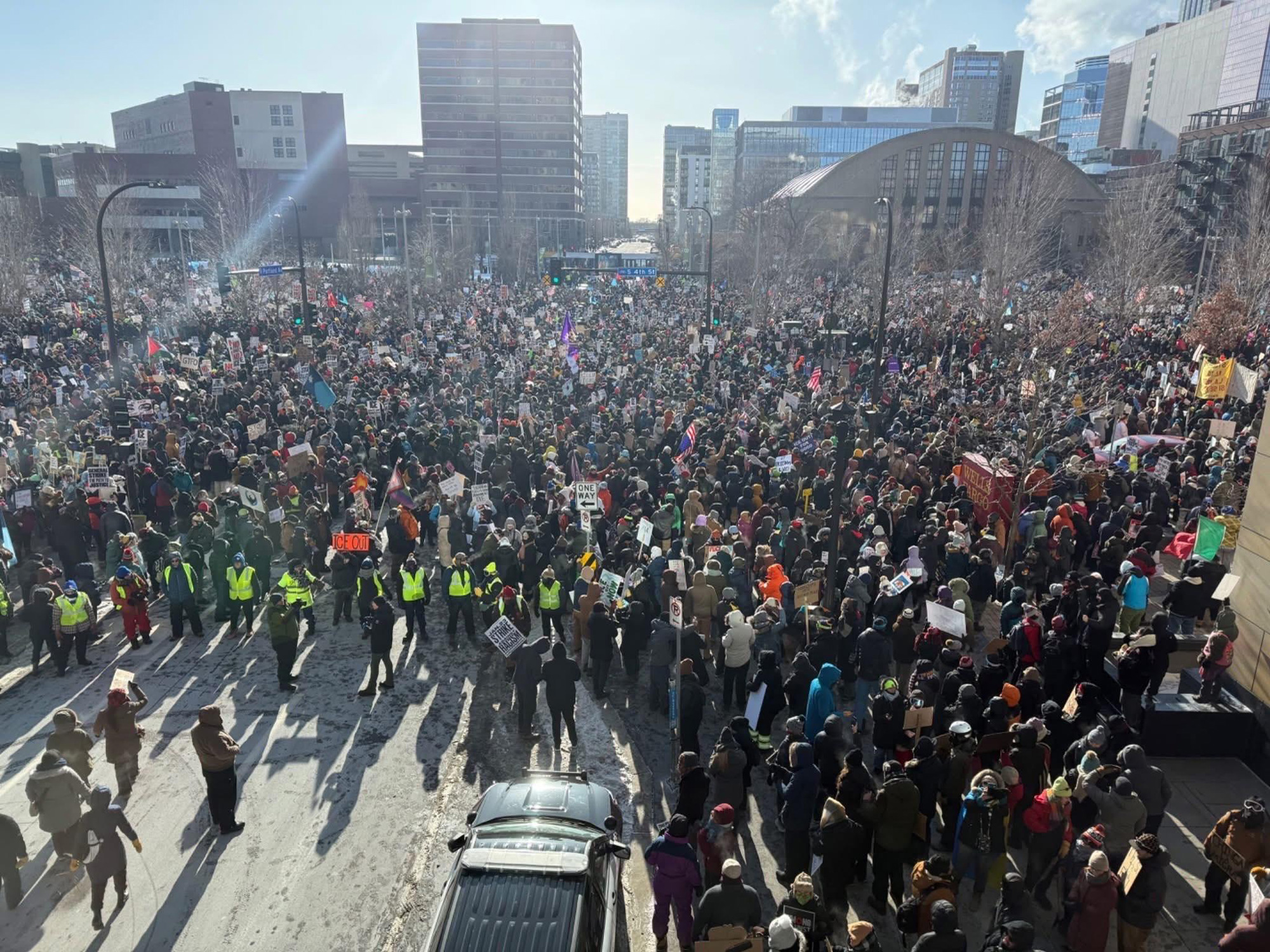

As we argued in our analysis of the last two general strikes in the US, walking out of work is not enough—we must also interrupt the economy.
https://crimethinc.com/TwoGeneralStrikes
"What would a modern-day general strike look like? It would involve a broad range of precarious workers, unemployed people, and other rebels taking disruptive action to shut down the economy from outside. However the strike might begin, it would have to proliferate horizontally, spreading beyond any single demographic as a contagious rebellion exceeding the control of any organization. It would entail targeting the choke points of the economy—physical locations like ports, highways, and distribution centers as well as online venues and other forms of infrastructure, not to mention the workplaces, schools, neighborhoods, and prisons in which most of us spend most of our lives. It would necessitate defying politicians, union representatives, community leaders, and everyone who defends their legitimacy. It would be controversial. To persist, it would require seizing and redistributing resources. Many of these actions would take place within workplaces, but to center the agency of official unions or other organizations that have legal standing under capitalism would be to ensure defeat in advance."
A Tale of Two General Strikes