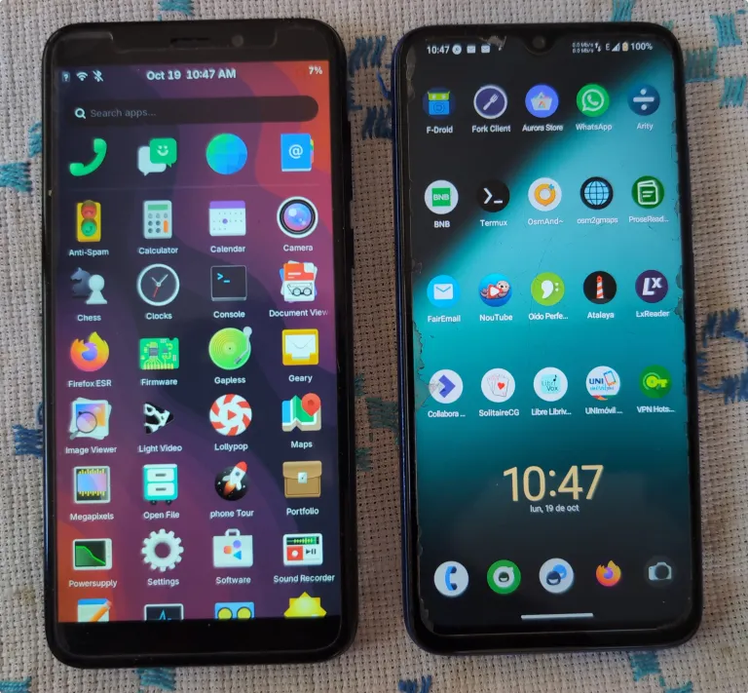
Follow-up: why mobile Linux still makes sense even if AOSP exists
In my previous post, I shared Amos B. Batto’s analysis on whether Linux phones could become a real alternative to Android and iOS.
Many readers replied that AOSP is already open source and Linux-based, so developing traditional mobile Linux is pointless.
In a new article, Batto responds directly to that argument.
He argues that AOSP was designed around surveillance capitalism and deliberately restricts user control. Google also retains significant influence over the project. Traditional mobile Linux, by contrast, is not controlled by a single company and better aligns with software freedom and digital sovereignty.
The practical trade-offs (apps, hardware support, battery, security model) are real. But the long-term case for independence remains strong.
Do you see mobile Linux outside of AOSP as a worthwhile path, or is a hardened AOSP fork like GrapheneOS the better solution?
https://amosbbatto.wordpress.com/2026/10/19/the-advantages-of-mobile-linux-over-aosp/