




@pixelfed Stil no way to create a collection I see...
FediDevs
Circle by
We Distribute
Public
These are the people building the Fediverse!





Wafrn is janky as hell im sorry. I keep trying making it worse
gabboman the wafrn dev
boosted


@prahou I prefer the term “benevolent dictator of the discourse”


There is also the book from Eric Raymond


Daniel Supernault
boosted

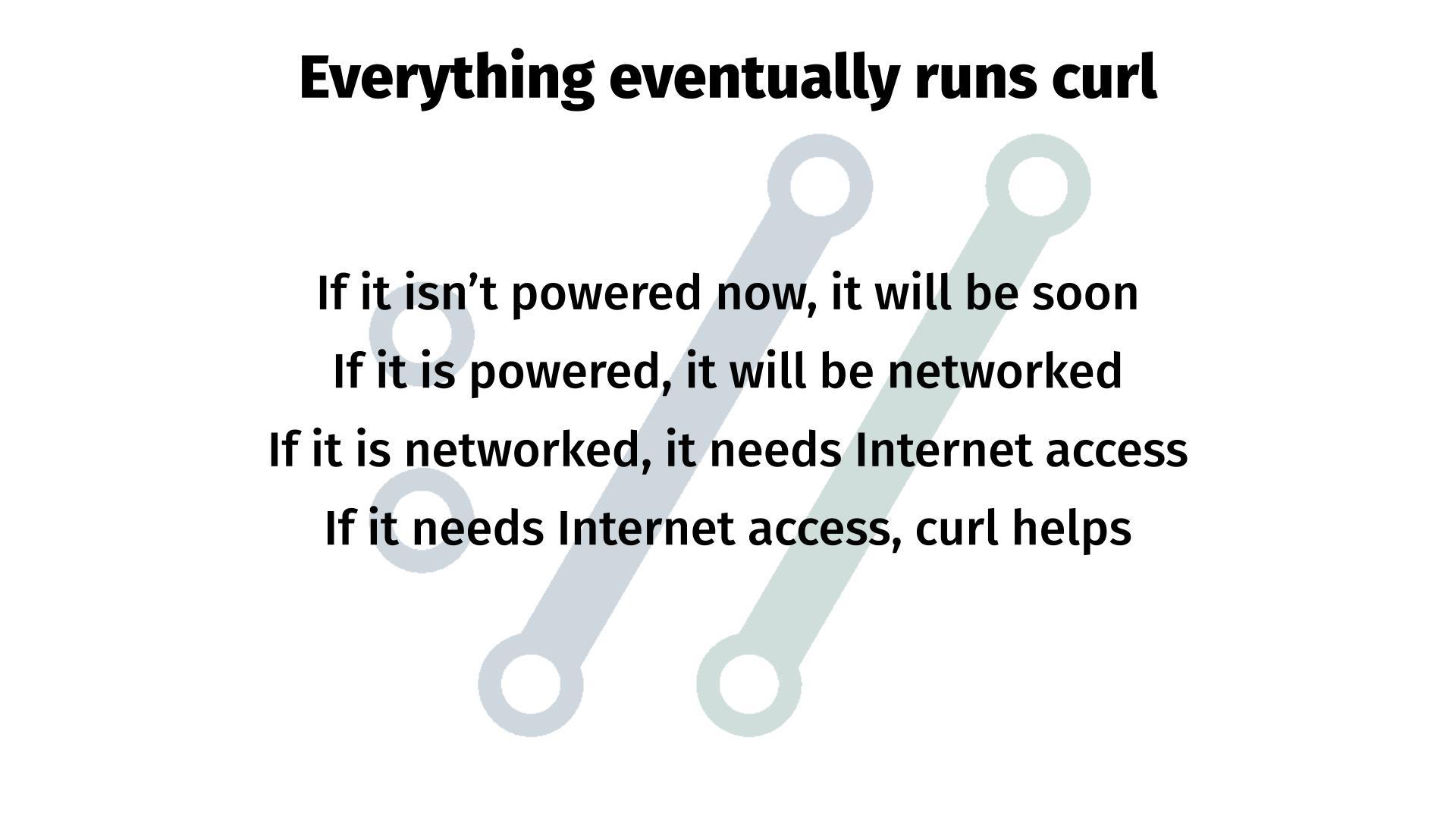
#curl's law: Everything eventually runs curl
A trend in society over the last decade and I don't see it changing anytime soon.
Stefano Marinelli
boosted

@stefano "Good customers get what they want. Bad customers get what they ask for."
Stefano Marinelli
boosted


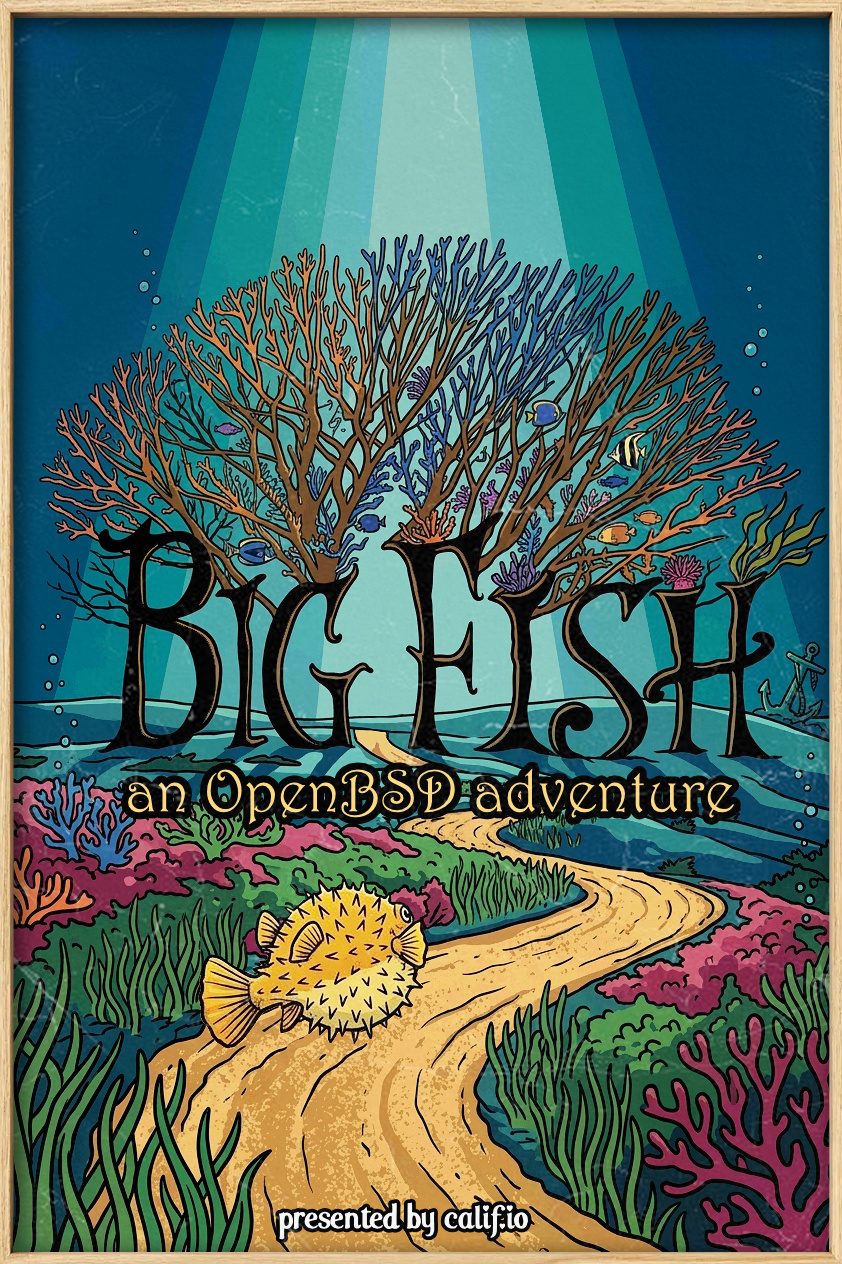
New local kernel exploit for #OpenBSD called #bigfish gets attackers root with KARL/SMAP/SMEP enabled, with building blocks in the chain going back ~37 years to the original BSD sources:
https://calif.io/research/big-fish
It also has really cool ANSI art. 😉


If I had a nickel for every bisexual nonbinary kemetic magician from Ohio with structural dissociation who graduated from Naropa with a masters in Transpersonal Counseling I've dated I would have two nickels.
Which isn't a lot but it is strange that it happened twice.

The new Pixelfed API docs are open source ✨
https://github.com/pixelfed/api-docs
Contributions welcome :D
tante
boosted

The term "single use software" currently lives rent free in my head.
People use LLMs to create software specific for their needs. But neither can other people use it (hardcoded variables, no rights management, too specific), nor do they use it again (too specific, easier to produce a new one).
Single use software is not maintained. Nobody understands it or has an interest in keeping it working.
The creation of single use software feels cheap, but isn't. It takes time to create the software, it needs infrastructure and power. The time is experienced as short compared to how long it takes to create maintainable and reusable software. But once you take into account how many people benefit from reusable software, the single use software takes way more time to create than what it saves. The infrastructure and power costs are hidden because the data center isn't visible. The costs are subsidized by venture capital.
Like other single use items, single use software brings risks of unforeseen consequences. From data loss or leaks to issues for maintainers of reusable software (eg. verbal abuse, less motivation and lost income).
As an example of single use software is a German LinkedIn post of a person who slopcoded a HEMS (home energy management system). It took them more than a week. While open source projects like https://evcc.io/ already provide the same functionality. They could have used it for free or paid 100€ and got support for some additional devices. But they decided that they know better how it should work and now have a single use software. If it breaks there is nobody they can ask. There won't be updates and no community to discuss and develop new features. No organization will ever be interested in officially supporting it. And even if it works, it only benefits that one person.
(This doesn't mean people shouldn't build things that only they use. But they should enjoy doing so.)

@luca Yeah. It's fast fashion https://tante.cc/2026/01/15/software-as-fast-fashion/
gabboman the wafrn dev
boosted


Anyone with open commissions who wants to do some #art for NetBSD?
We've got a budget for paying for some concept art and can later talk about working with you on some merch. DM us!
Naturally, we cannot accept contributions using generative AI.
tante
boosted


From "the journey is the reward", to "I want it now". I sometimes wonder if people understand the point of living.

@pixelfed Click on a profile, click on a photo, then I should be able to scroll down someone’s timeline. Sorry, I have waited far too long for these functionalities, don’t believe they will be implemented in the near future. It should have been prioritized over cosmetic changes.
@sourdoughstereo That wouldn't work, we have comments shown on posts, unless we just treat them like a timeline, like we do in Loops.
We will fix this, and the other things you mentioned are already on our todo list, we wish you well on your journey, wherever you land ❤️
洪 民憙 (Hong Minhee) :nonbinary:
boosted


Fediverseって言うのがあるんですね!
始めてみようかな!
2 media files


洪 民憙 (Hong Minhee) :nonbinary:
boosted


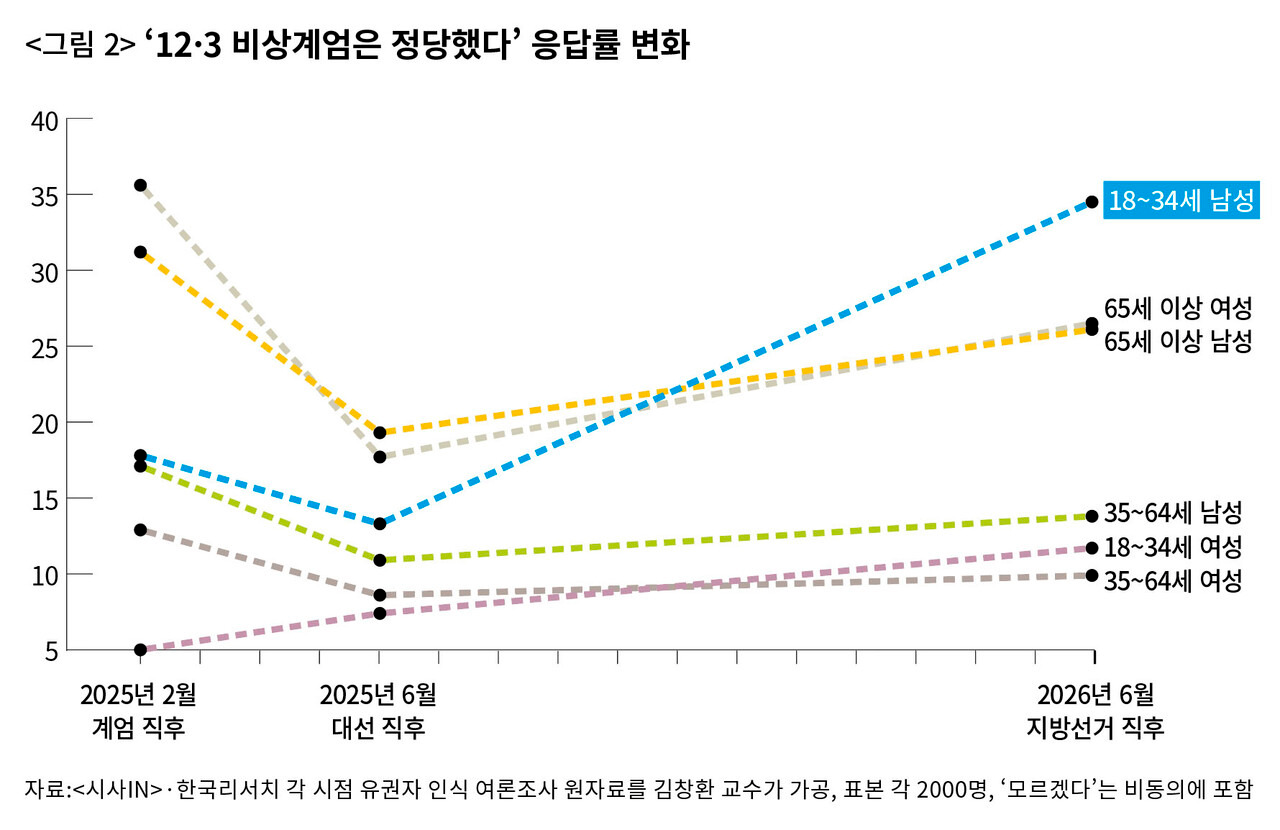
"거의 모든 계엄, 탄핵 관련 지표에서 청년 남성은 가장 친계엄적이고, 민주주의 질서에 가장 비우호적인 태도로 변화하였다. 우리 논문에서는 민주주의에 대한 태도에서 청년 남성과 86세대를 포함한 장년 남성 사이에 차이가 없다고 했었는데, 이제는 차이가 벌어졌고, 청년 남성은 노년 남성과 차이가 없거나 오히려 더 반민주주의적이다." https://sovidence.tistory.com/1332
Daniel Supernault
boosted


@dansup
Hey,
Pixelfed is a successful project, and users are eager to see new features.
On that point, I was disappointed to see many app releases without the source code being published (the last one is from February), and no API docs to rely on.
It's your project and you can run it as you want, but it can be frustrating not to be able to offer the same new features as your app.
I just don't understand this choice, that's all 😊
@morph2

@hongminhee I have known that the (South) Korean Hanjas is more traditional (that means being closer to the standard of Kangxi Dictionary) than those in Taiwan. But I have not known that Korean and Japanese share the same stroke arrangement for the character 產.


@Yoxem Yes, I think it's probably because, during the Japanese colonial period, Japanese kyūjitai (舊字體) forms influenced the standard forms of hanja adopted in Korea after liberation. 🤔
