Relay for app.wafrn.net
boosted

ACTUALLY I WAS PLANNING TO HIBERNATE BUT WHATEVER. RICH PEOPLE ANNOYING.
ACTUALLY I WAS PLANNING TO HIBERNATE BUT WHATEVER. RICH PEOPLE ANNOYING.
From what I’ve played (all main games and most non-mobile side-games) it’s the worst… by a mile.
It’s bad, but it’s not the worst JRPG I’ve played this year.
Now I’m curious what was the worst, because this game is really bad.
Only Al remains. Godspeed, Al Jardine!
Ich denke eher an ein Protest nach dem Motto "Eure Staße in unserem Wald".
You can filter search results for various usage rights as well.
Est-ce une discrète incursion de JJG dans la campagne présidentielle ?
Vendredi il a fait (re) mettre en ligne “Ensemble”, un canon sorti il y a 25 ans (nov. 2001), dans l’album “Danse avec les pieds”.
Deux versions, avec et sans paroles. C’est un canon, beaucoup repris dans les écoles.
🥹
An odd competition https://feeds.feedblitz.com/~/973963319/0/sethsblog~An-odd-competition/
@Levensfilosoof
Het verleden kennen is het heden begrijpen waarna je betere keuzes kunt maken voor de toekomst.
Flames rise from burning ship near Strait of Hormuz https://www.aljazeera.com/video/newsfeed/2026/11/29/flames-rise-from-burning-ship-near-strait-of-hormuz?traffic_source=rss
Last year I decided to (1) drink less and (2) stop compensating for my social anxiety with "humour." Christ, Almighty! Now that I'm not making jokes, I haven't got a thing to say and since I'm off the drink, I can feel the anxiety. People like me more now, but I'm miserable.
@fesshole EXTREMELY relatable.
From The Lonely Camp
In 1995, NASA had to roll a space shuttle off the launch pad and back into its hangar because a pair of woodpeckers had been trying to carve a nest into its fuel tank.
The shuttle was Discovery, scheduled to launch on June 8 on mission STS-70 to put a NASA communications satellite into orbit. It had been standing on Launch Pad 39B at Kennedy Space Center since May. Around Memorial Day, workers found holes pecked into the orange foam that covered its giant external fuel tank.
The culprits were northern flickers, a woodpecker common around Cape Canaveral. Flickers usually dig their nests into the soft wood of palm trees and dead trees. The tank’s spray-on foam insulation was soft and easy to dig, and to a nesting pair it apparently looked like the perfect tree. One NASA account says a bird would dig until it hit the hard aluminum underneath, then move to another spot and start again.
The holes were not a cosmetic problem. The external tank holds super-cold liquid hydrogen and liquid oxygen, and the foam keeps it insulated. Counts of the damage varied from 71 holes to about 200, and some were up to four inches across. Many were too high up the tank for technicians to reach from the pad.
On June 2, NASA called off the launch. On June 8, the day Discovery should have flown, the whole stack rolled back to the Vehicle Assembly Building for repairs.
The birds were a protected species, so NASA couldn’t harm them. It formed a group with a fitting name, the Bird Investigation Review and Deterrent team, or BIRD. The pad soon looked like a backyard garden. On the advice of bird experts, workers set out six plastic owls bought at Walmart and played tapes of great horned owl hoots, since great horned owls prey on woodpeckers. They tied up yellow balloons printed with giant scary eyes, called Predator Eyes. Pad technicians armed with air horns and water hoses took turns watching for woodpeckers around the clock. Workers nicknamed them the “pecker checkers.”
The BIRD team also went after the habitat. Palm trees, old telephone poles and dead trees were cleared from near the launch pads, so the flickers would have fewer places to nest nearby.
Discovery finally launched on July 13, 1995, more than a month late. The crew took it in good humor and adopted Woody Woodpecker as an unofficial mascot. Crew member Don Thomas later made a patch for the BIRD team.
The birds didn’t go away for good. In 2006, NASA was still putting out plastic owls before launches and was dealing with a new problem. A NASA spokesman said the vultures weren’t afraid of the owls.
Source: NASA / The Washington Post (June 3 and July 12, 1995) / Baltimore Sun (1995) / NPR (2006, 2011) / Spaceline / collectSPACE / National Space Centre
Found some links for additional info. NPR link has pics.
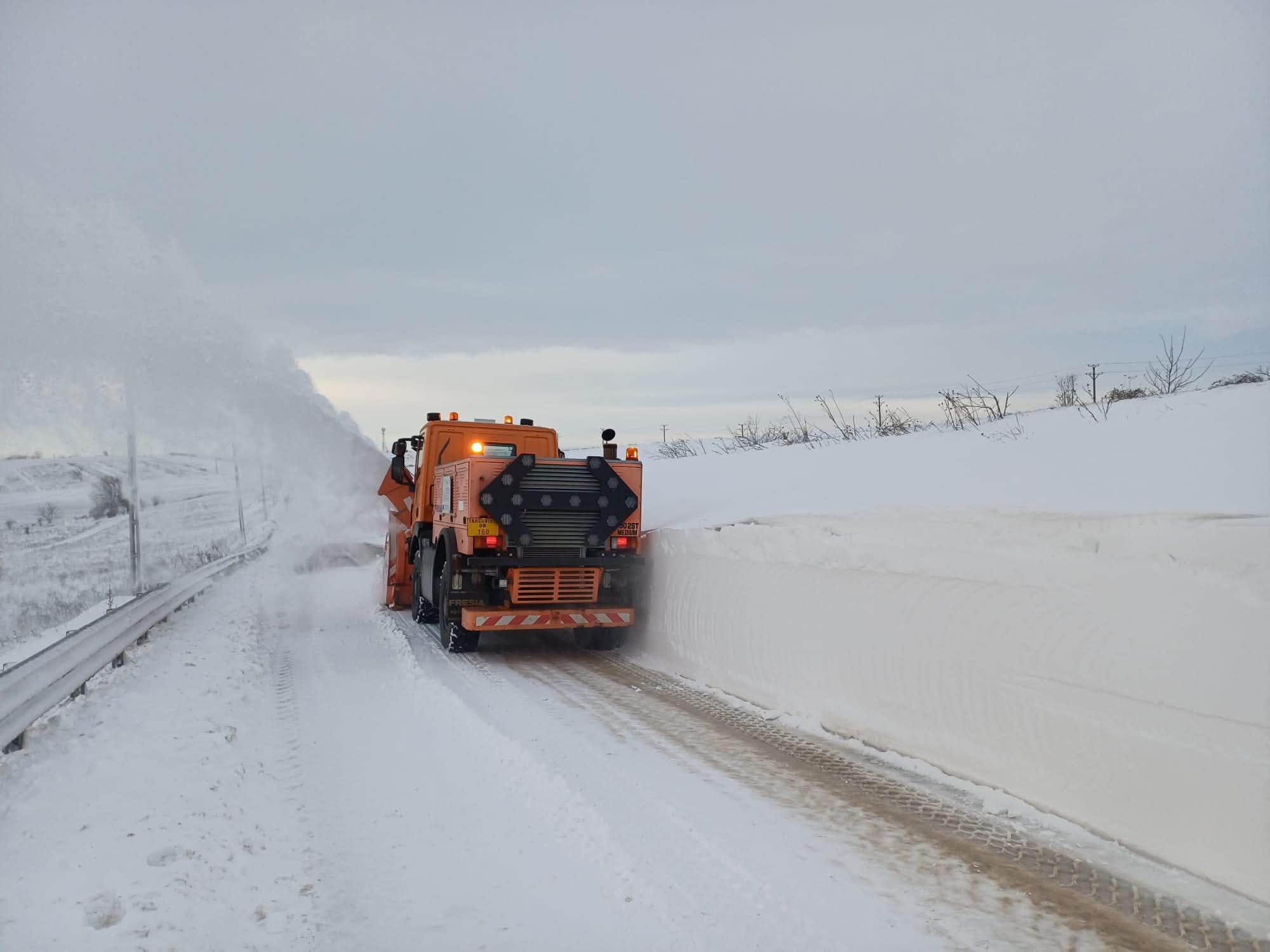
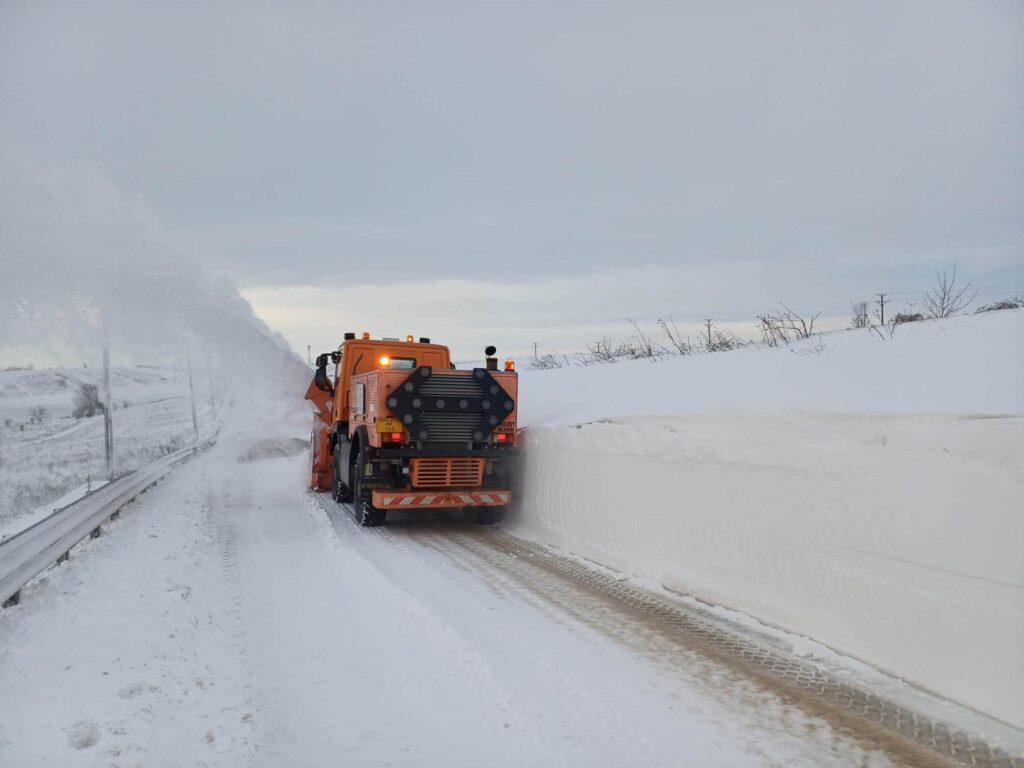
Drumul național 51A închis în #Teleorman din cauza viscolului.
Autoritățile îi sfătuiesc pe șoferi să aleagă rute ocolitoare.
Sorry, the app encountered an unexpected error