

Well, I'm giving it a go.
I moved the Seestar to the corner of my backyard so that it would have the clearest possible view towards the southeast, but the weather wasn't really cooperating. I ended up with 77 60 second long exposures but almost all of them were obviously visibly affected by clouds, and I'm pretty sure transparency was pretty bad for the rest too.
4 media files
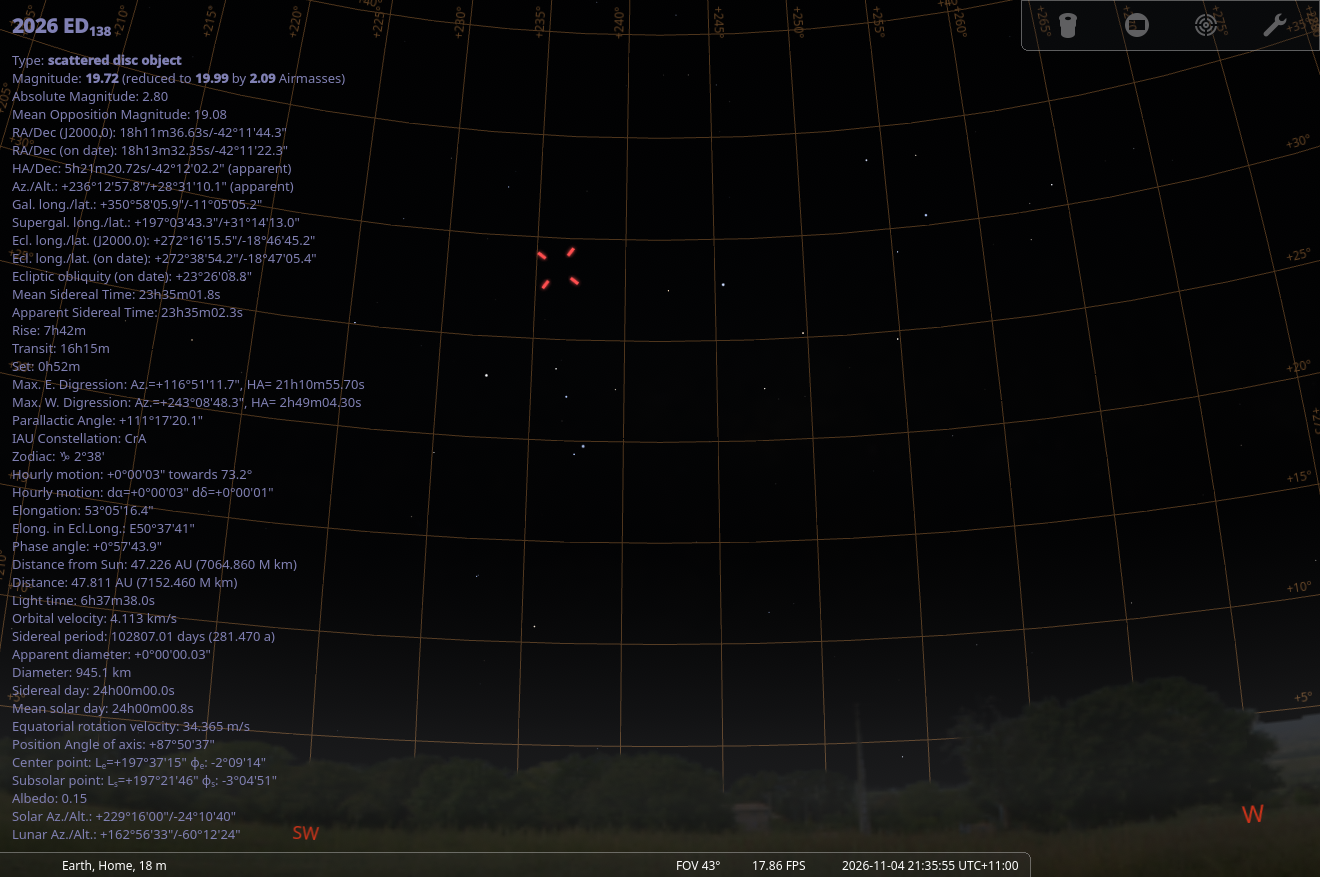
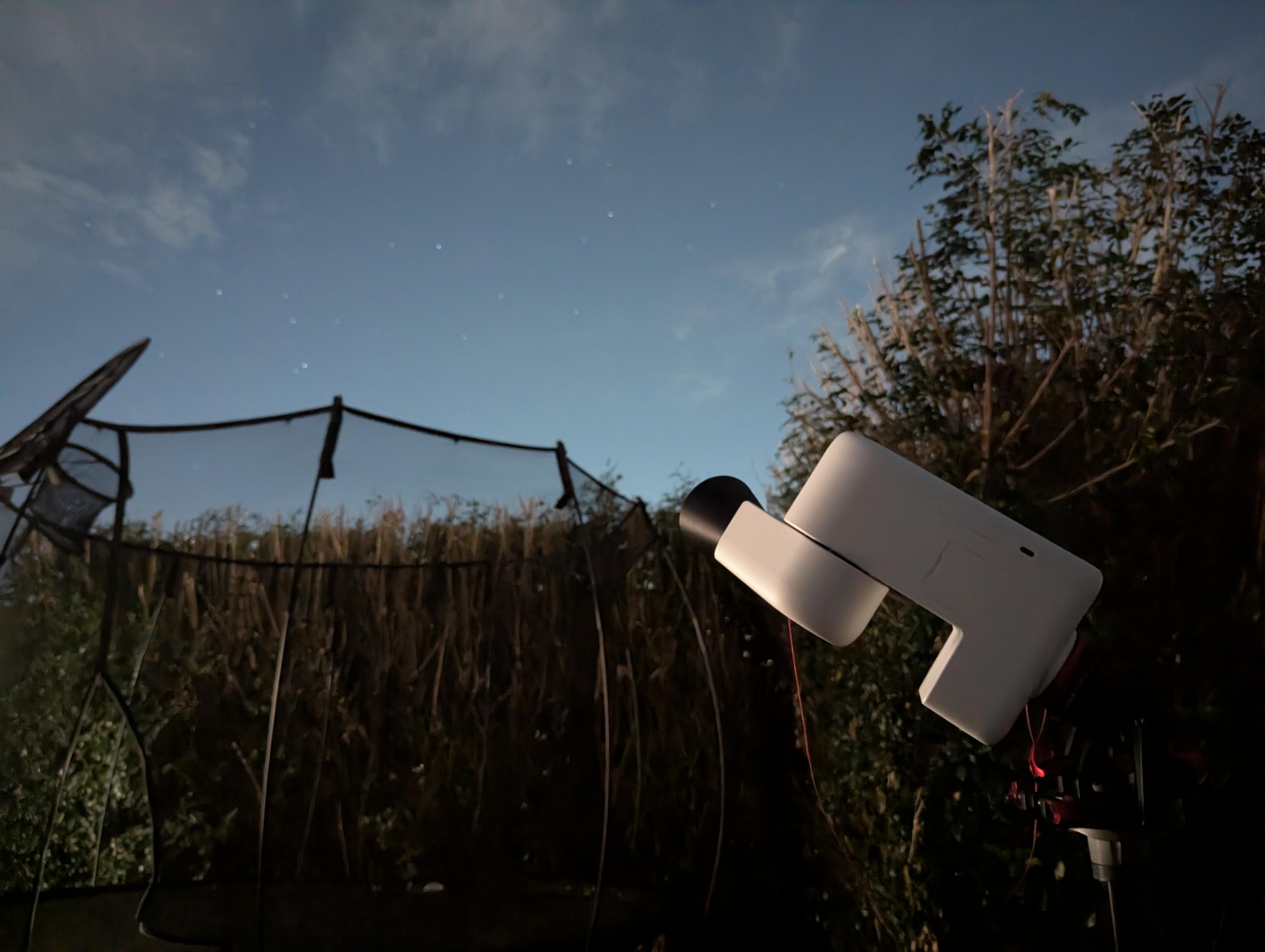
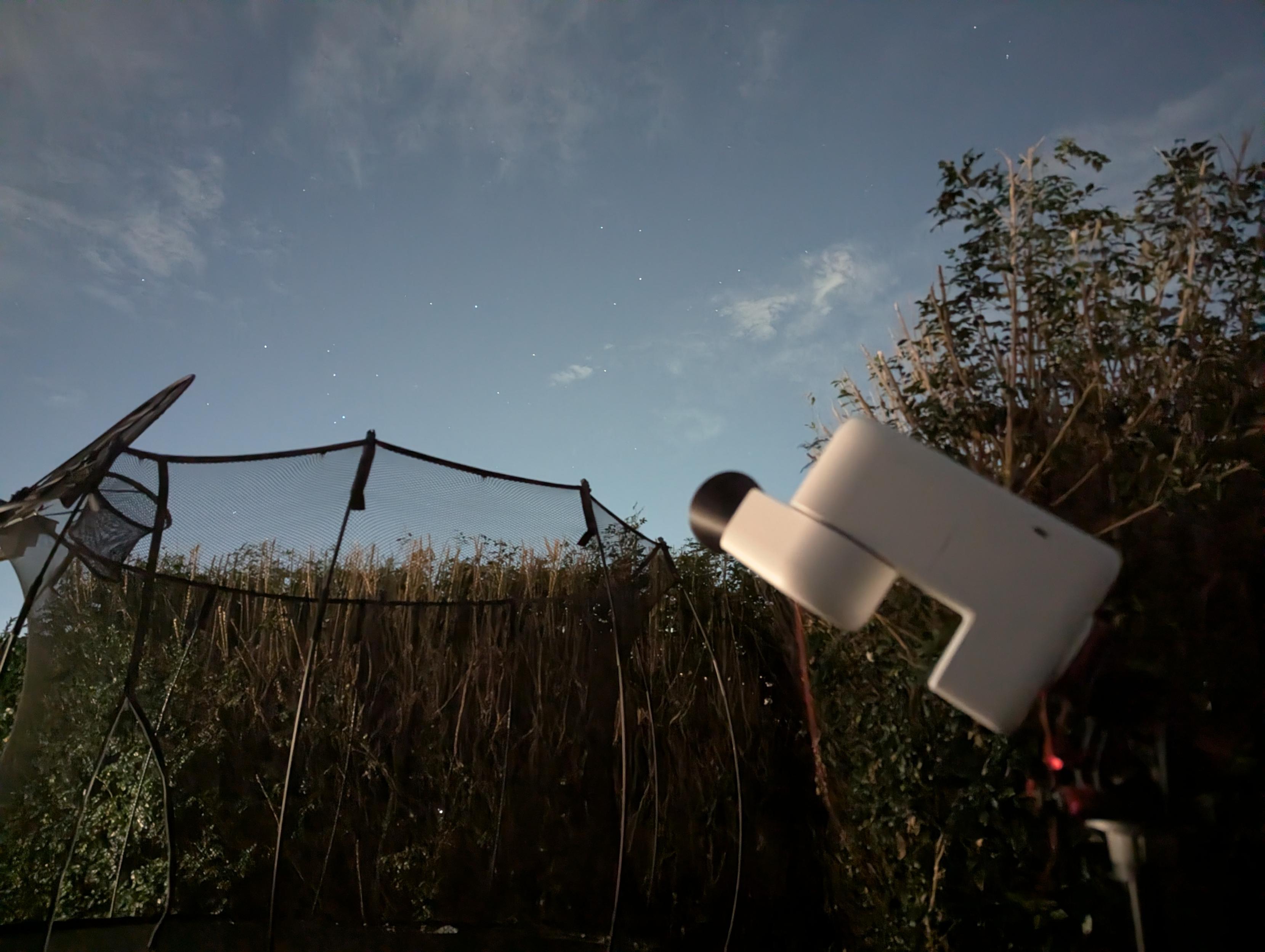
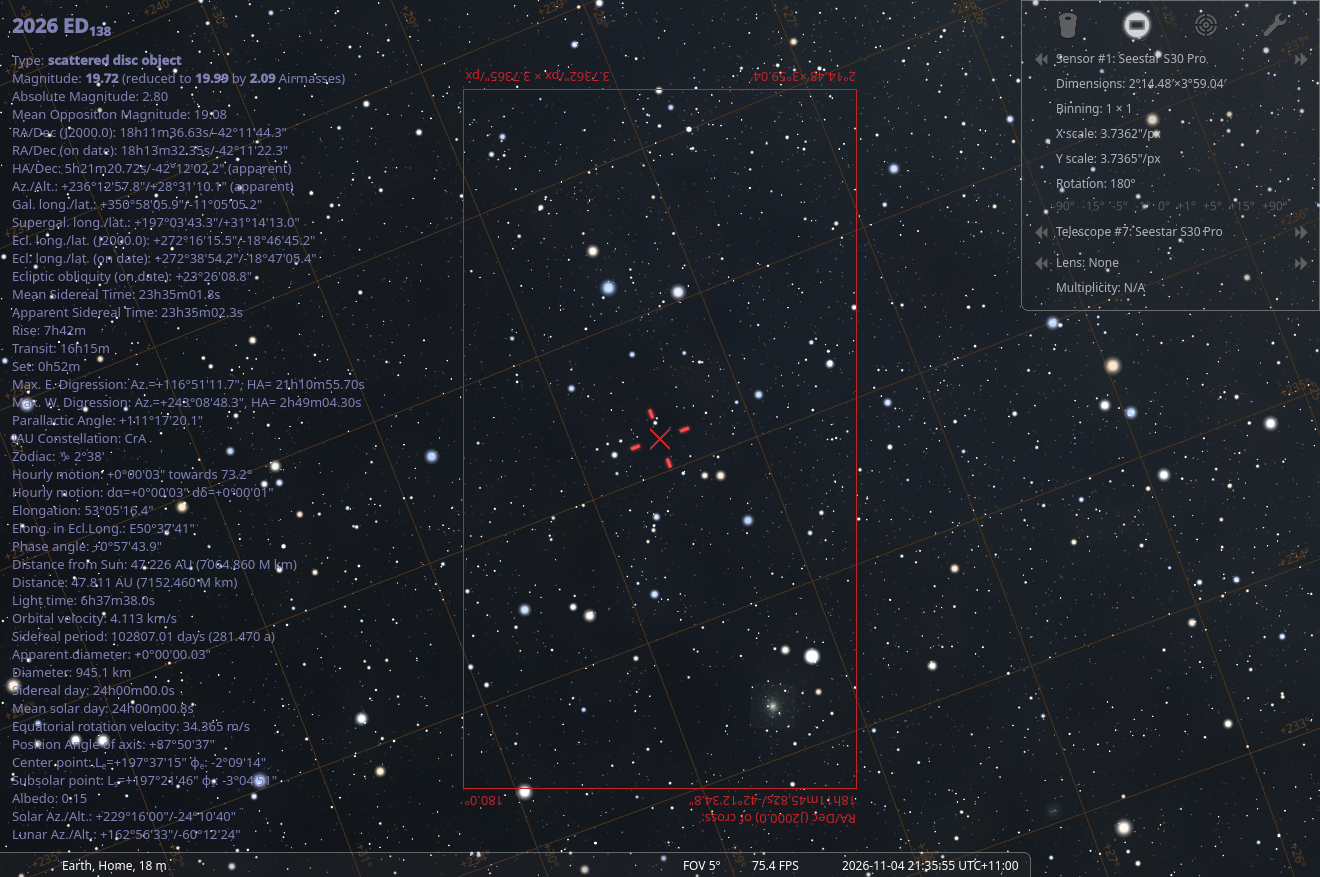
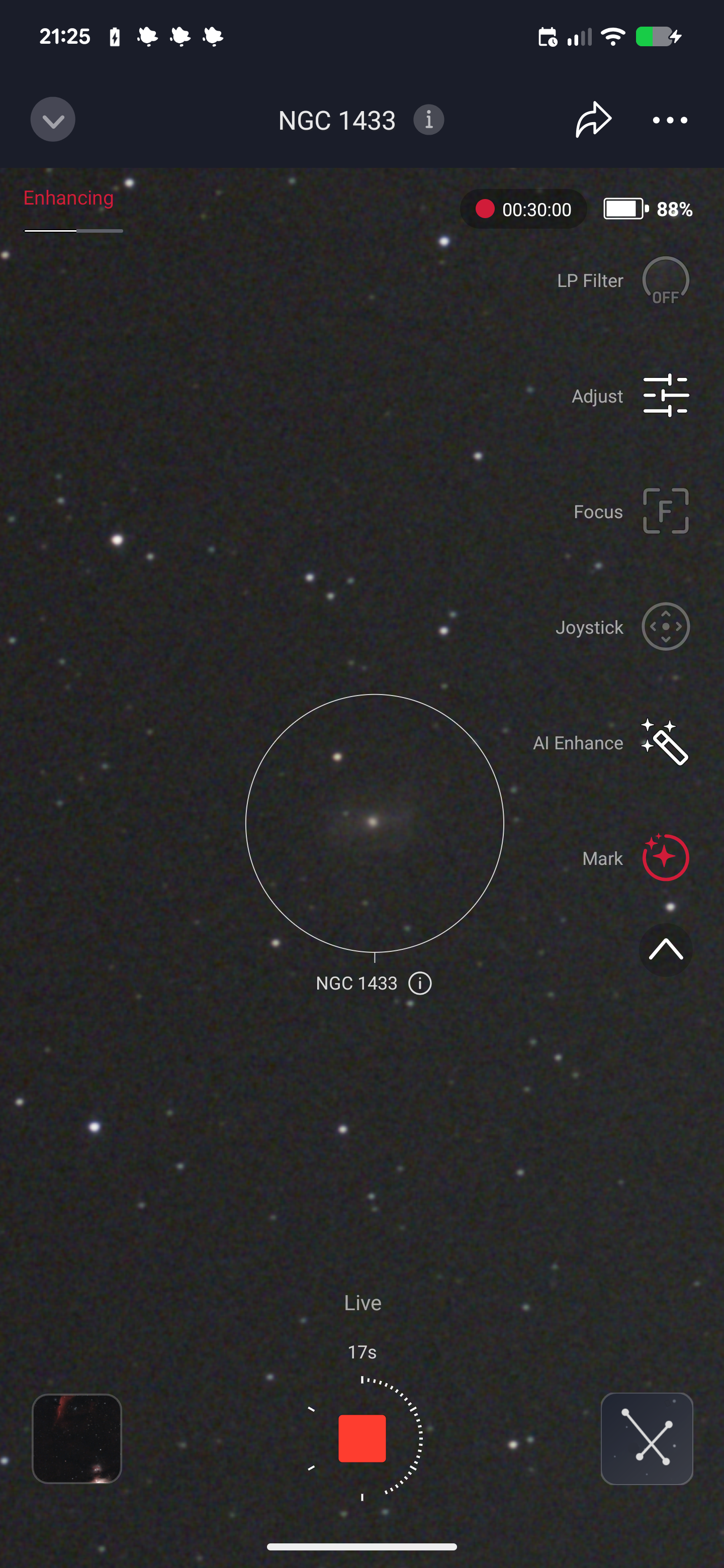

Yeah, I thought I was being overly optimistic!
Taking a quick look at the stacked data in Siril and comparing with the same region in Stellarium I can identify by eye some stars down to magnitude 16.5 or thereabouts, but I can't see anything fainter than that. 2026 ED138 is supposedly in this image but would be more like magnitude 19.7, i.e. about 20 times fainter than the faintest stars that I can see in my image.
Not helping my chances is the fact the 2026 ED138 is currently, from my point of view, passing almost directly in front of a magnitude 12 star which is about 1200 times brighter! Even if did have the sensitivity to detect the dwarf planet it would've been hidden by the glare from the star.
This is definitely a job for a significantly larger telescope, ideally at a much darker site.
Still, a useful learning exercise. I now know for future reference that even in pretty crappy atmospheric conditions my little Seestar S30 Pro can detect objects as faint as about 16th-17th magnitude in an hour or so. This has also reinforced my understanding of how a ~20th magnitude dwarf planet could have gone unnoticed until now. It is in a part of the sky with vast numbers of stars brighter than it is.