
‘They will never be forgotten again’: uncovering the buried history of Australia’s enslaved South Sea Islanders
The descendants of the thousands ‘blackbirded’ to work and die on Queensland farms and plantations say the truth about the country’s practice of slavery must be told
Warning: This article contains descriptions of historical events that will be distressing to some readers, and images of South Sea Islanders who have died
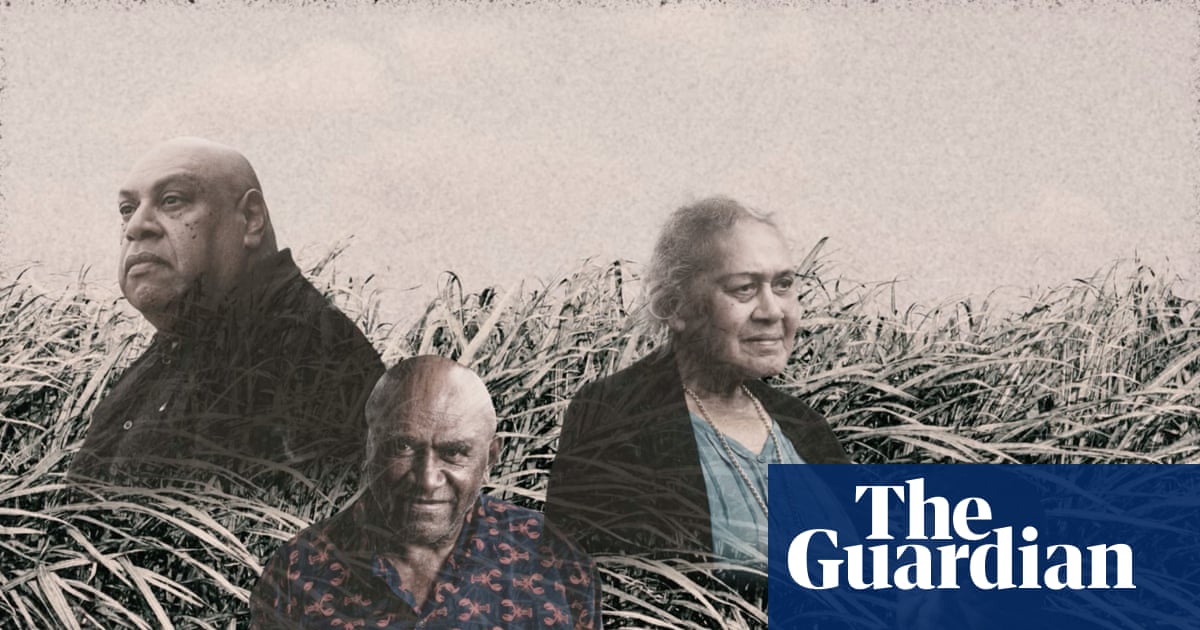
Uncle Graham Tanner’s great-grandfather was enslaved.
Harry Tanner was born in 1855 on Tanna Island in Vanuatu and abducted to work in Queensland’s sugar plantations under a practice known as blackbirding.
Neither Harry nor his son Robert – Graham Tanner’s grandfather – had any rights or recognition as Australian residents. Arthur James “Hobie” Tanner, Graham’s father, was described on his unofficial birth certificate as the son of a slave.
#BlackBirding #Queensland #SouthSeaIslanders #Australia #Vanuatu


“Us guys are that close. Our dads had this,” he says. “Islanders were slaves, buried where they dropped.”
Leaning across a table that overlooks the river in the Queensland port city of Bundaberg, one of the hubs of the nation’s sugar industry – and of blackbirding – Tanner can see his family’s history.
Between the 1860s – the decade the emancipation proclamation was signed in the United States – and the 1910s, at least 62,000 Pacific Islanders were coerced, tricked or kidnapped to provide labour on Australian sugar cane plantations. Hidden in the humid north, the use of indentured workers spread.
The term “blackbirding” to describe this practice was taken from the transatlantic slave trade. At least 15,000 Islanders died on the cane fields, succumbing to overwork, malnutrition or exposure to diseases brought to Australia from Europe. The mortality rate was about 25%.
#Bundaberg #EmancipationProclamation #PacificIslanders #Australia