

I'm no chemist but this seems outrageously crazy.
https://www.theguardian.com/us-news/2026/nov/19/iowa-lead-bomb-dust
@amcooper the current plan might not be incompatible with that goal, especially without knowing more about the assumptions underpinning "would contain an unexpected explosion"
@earthtopus Yeah I haven't been able to ascertain what's meant by "might explode if moved".
I don't know if my sketch is possible, but I'm also not going to give the "Department of War" the benefit of the doubt here.
I read an article that insinuated that the Army had forgotten about this stuff until March.
You and I would be fired for errors far less consequential than losing track of five tons of lead azide.
But yeah, DoD should enjoy its $750 billion budget.
The New York Times is reporting that the Army hired a company to neutralize the lead azide, then canceled the contract, with no reason given, and decided to blow it up.
It's hard to see this as something other than "Hegseth likes to blow stuff up" and "Trump likes lead poisoning people".
But who can say?
Good luck, Iowa.
USA has accumulated so much bombing capacity that it’s being forced to bomb itself.
@amcooper
"Yeah, we're gonna send up a toxic plume across your town and pastures, so better be somewhere else then."
"But won't the stuff get in the soil and water?"
"Sorry. Can't hear ya, we've got things to blow up. Best of luck now!"
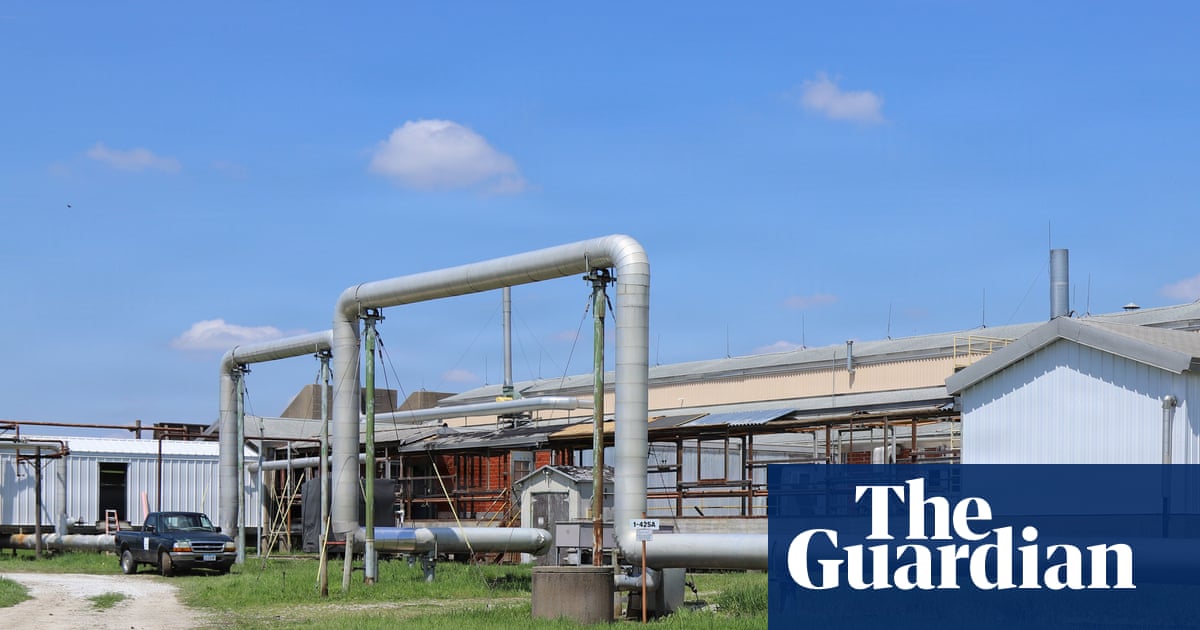





Can they have robots encase the lead azide in concrete or steel, something that would contain an unexpected explosion? And then have the robots bury it?
Like, what if the goal were to aggressively minimize lead dispersal?