

Me watching the Internet fall apart this week

14 Boosts
0 Likes


@scalzi Gemini capsules are cute actually as far as I am concerned.


@scalzi I've already been buying some ISA modems to get ready for setting one up



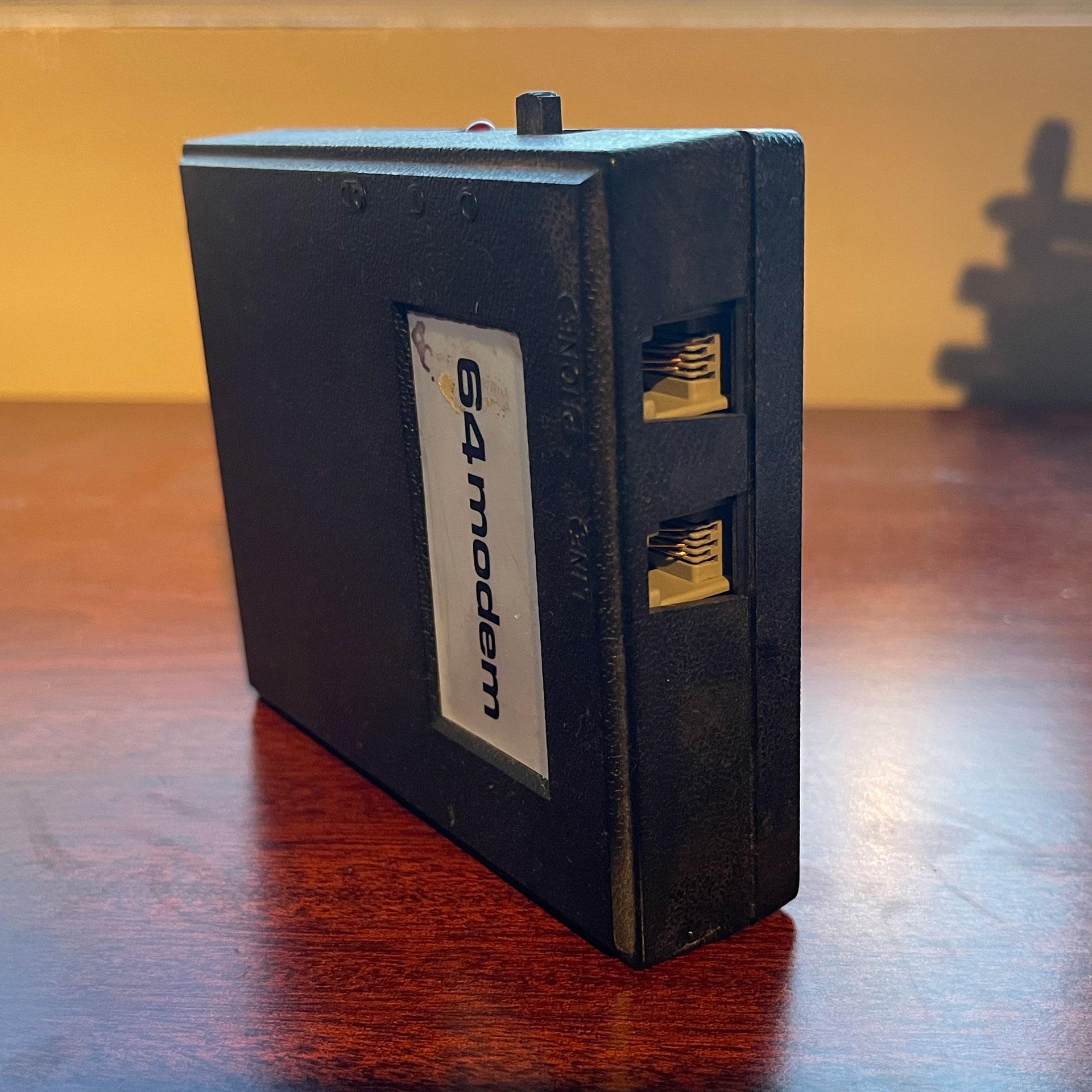
@evermorian @scalzi fortunately my sister is a phone nerd so I have landlines to spare. I'm gonna have as many nodes on my BBS as I can scrounge up working modems!


i'm thinking of getting my ham license and getting into packet radio




@Perrin42 @clive @scalzi @W6KME I have run a BBS, I have written BBS software, I made some (small change) writing BBS extensions, and have a lot of packet radio equipment (not in use, lol) here. Did you know most of the ham packet radio stuff is E,7,1, for some unfathomable reason?!?! (at least, my stuff all defaults to E,7,1). I mean, in my Hayes modem days everything was N,8,1. Unless you were connecting to some ancient mainframe on E,7,1.




Hollerith cards are twelve bits by eighty columns.
IBM used a six bit code for data from them.
I've never had anything to do with IBM gear beyond the 029 card-punch.
Baudot teleprinters used a 5 bit code with shift characters to give 62 different characters.
@zl2tod @paul_ipv6 @ai6yr @Perrin42 @clive @scalzi @W6KME I only worked on Singer Business Machines mini computers. 5-bit internal, boot via card deck or disk drive from the terminal ( 90V diode logic, all white wire harness). They would upload data via a synch network adapter to an IBM 360.
The os was macro2, built on said IBM. It came on a 14inch 5MB disk pack (had to do head alignment on those to get a decent cat eye). 33ms hard wired partition switch. First alu I remember. Took a 19" rack, as did the disk partition. Could tweak the memory for i/o via jumpers on the edge of serial board. The thing out performed 8080's when doing i/o to pos terminals 200 in under 11 seconds with minimal droppage, almost none (dependant on total data content).



@scalzi i'm on the look out for a cheap one of these