
Starting Day 2 of #Buildpeace2026 which is not yet “on the Fediverse” but I am working on them for that.
Panelists from the Philippines and Colombia are talking about bridging rural-urban divides in vulnerable areas.
2 media files
Discussion
Starting Day 2 of #Buildpeace2026 which is not yet “on the Fediverse” but I am working on them for that.
Panelists from the Philippines and Colombia are talking about bridging rural-urban divides in vulnerable areas.
Mau, from the Philippines, should have been a speaker in the Future Cities program. So much insight not just in rural-urban as polarities, but how urban and peri-urban enclaves based on migration, ethnicity or religion present very similar problems in negotiating peaceful and healthy communities.
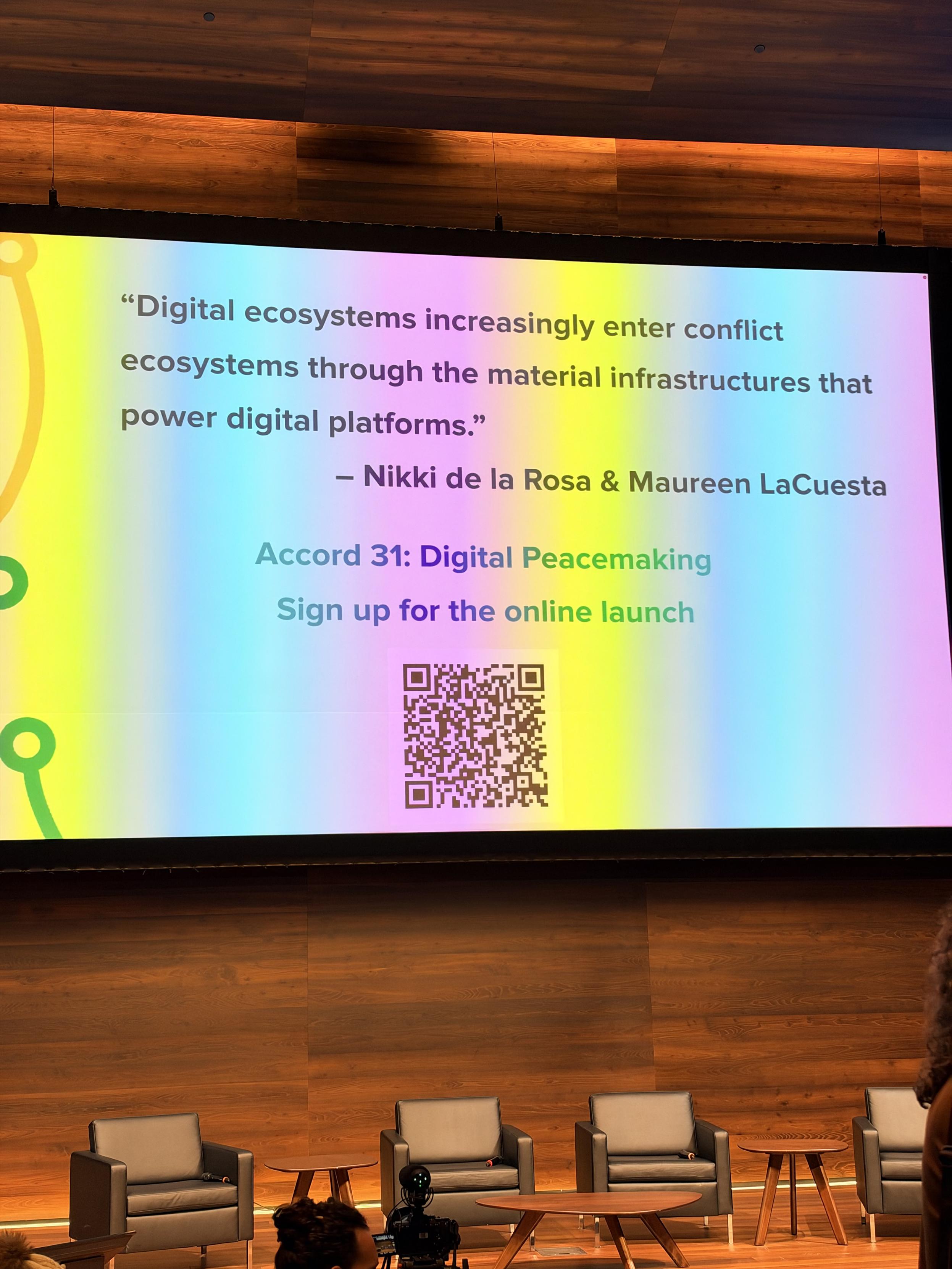
Workshop #1 today is so, so heavy. This is all about how to build the agreements and governance about digital social spaces that play into brutal, violent conflict on the ground in global majority nations.
Makes our little Fedi-scale governance problems pretty pale. This is about how to get warring parties to a common minimum standard so that Facebook-spread propaganda stops getting people shot.
@johannab Oh, whoa.
I would love to pick your brain on this later if you've got the wherewithal. Re: project intermittently in progress.
Mmmm…. They’re feeding us well here. Build your own taco bowls for lunch.
Gonna put a “pin this” post here because afternoon workshop was SOOOOooo engaging and hands-on I couldn’t livepost it.
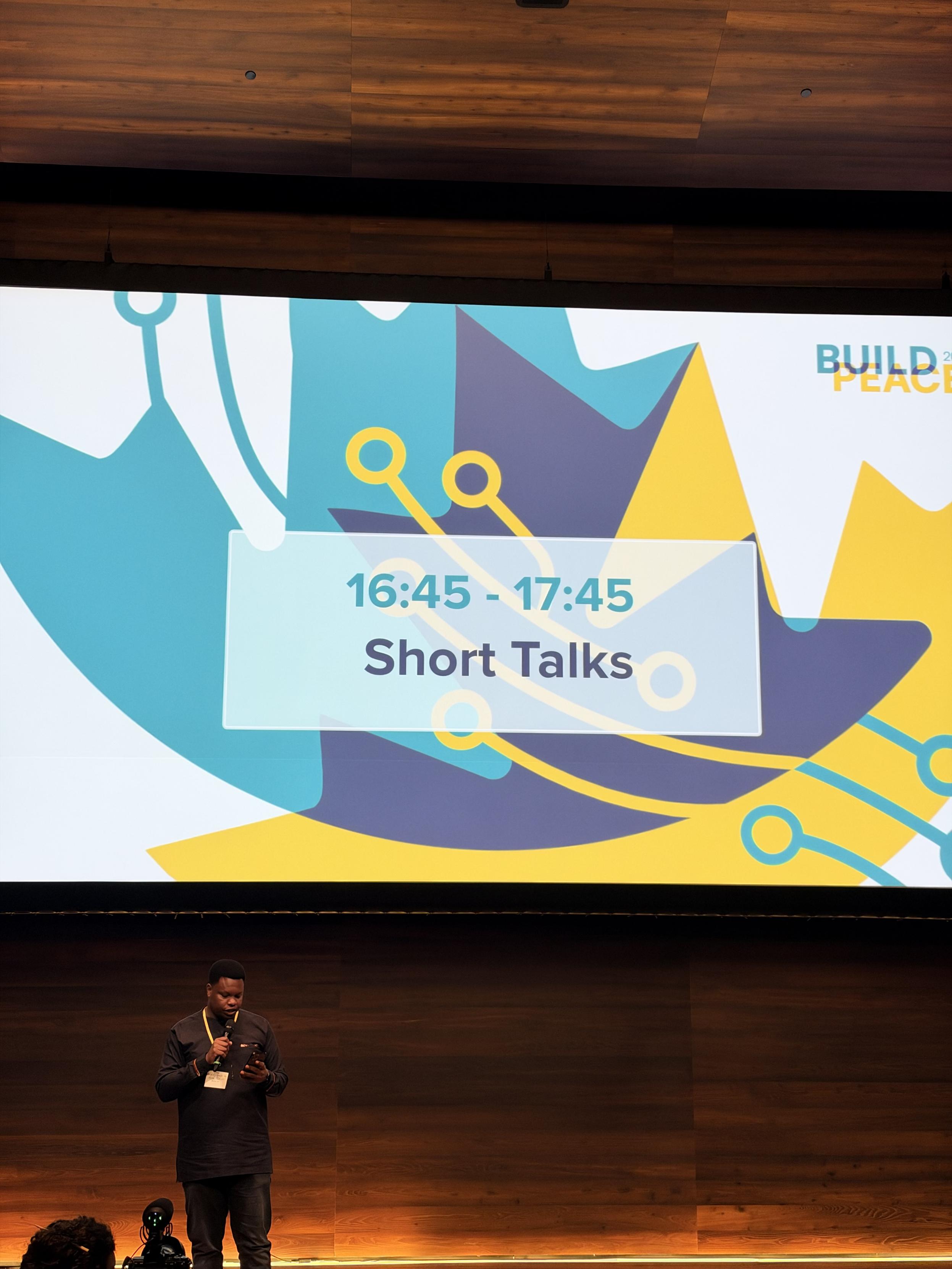
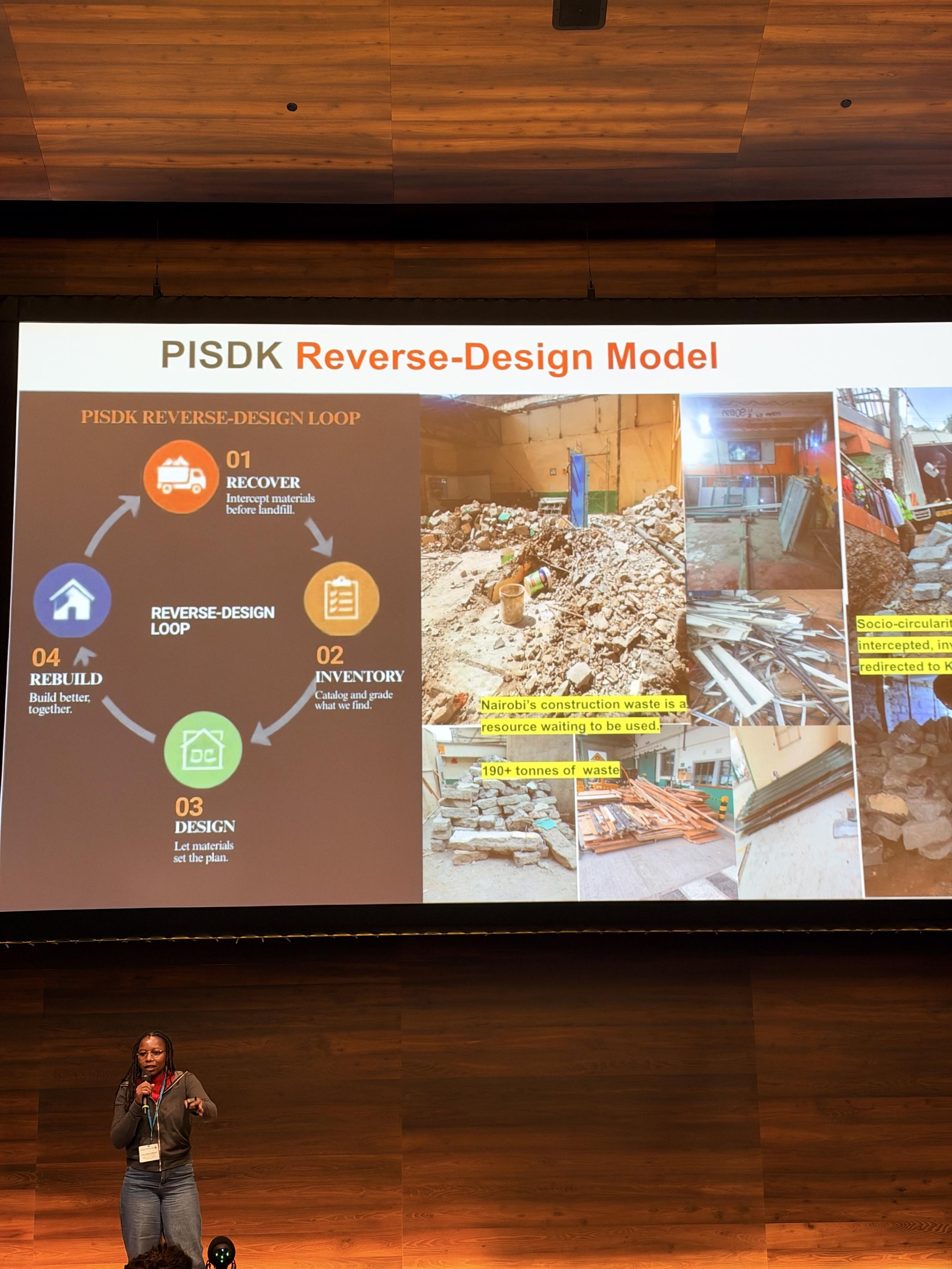
Finishing today with the lightning talks. First up - learning about structural violence and spatial inequality from a Civil Engineer working in Kibera, Kenya - an informal settlement. She founded the Paragon Institute of Sustainable development.
Paragon is structural support for underserved and oppressed communities to access what the wealthier, enriched cities would otherwise landfill as construction “waste”.
Niamh Henry from Univ of Edinburgh now talking about making peace processes machine readable ( or maybe not?). The data science that can support peacebuilding is her research field.
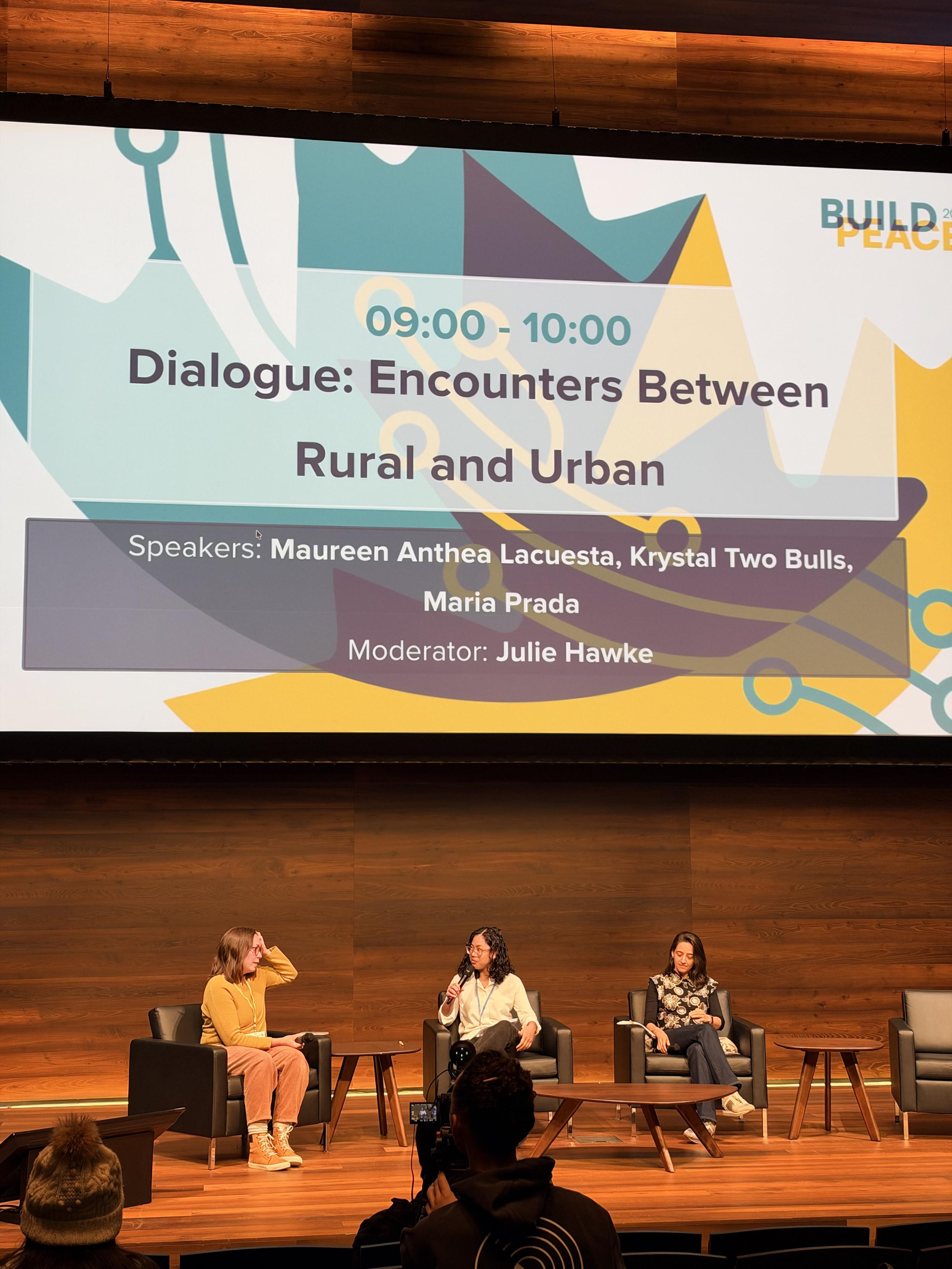



Audience polled as to how many of us lived, worked, grew up either “rural” or “urban” and how many had experienced conflicts in their work/study where rural and urban interests meet.
Maria (from Colombia) spoke about being from a rural past, working as a civil servant in the city, and going back to find herself no longer addressed by name. TIL: rural citizens developed a habit of addressing “city people” as “Doctor” in Colombia, as an honorific. Maria pushed back on that to bridge the divide.