The liberal fantasy of reforming the #dotcons, ten years on

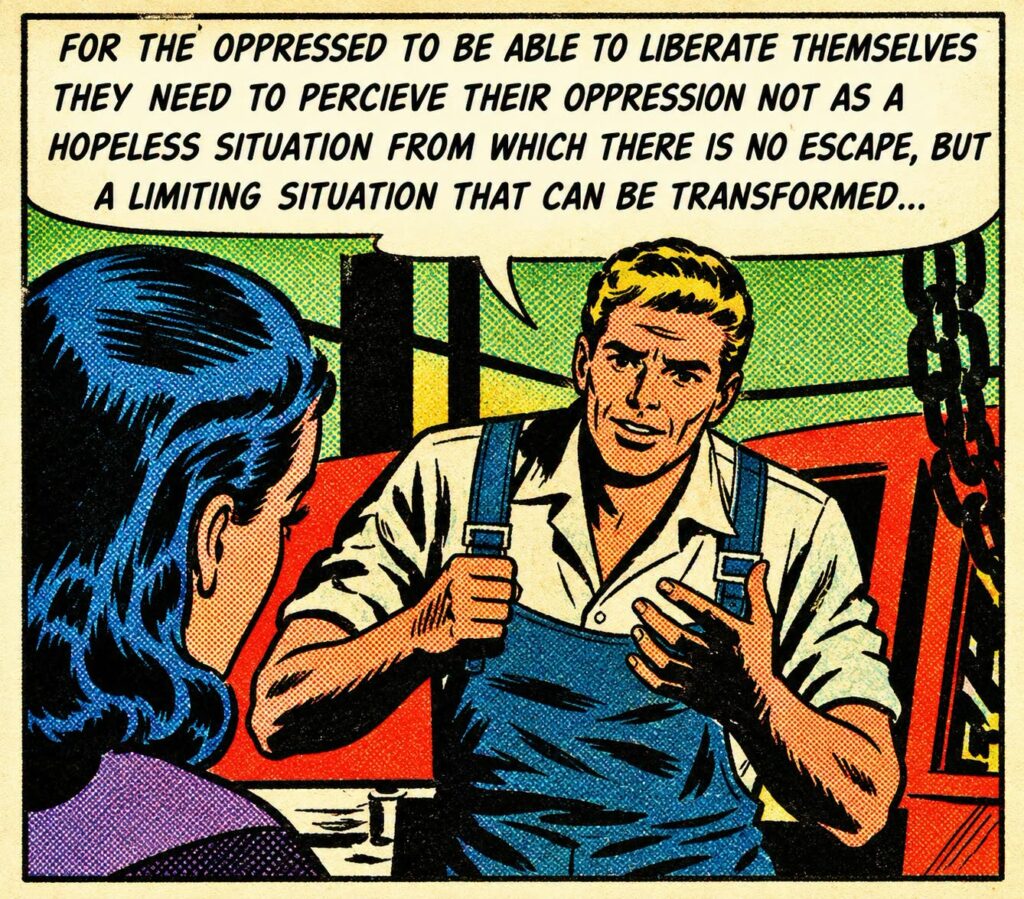
The working path of reform isn’t simply difficult because the platforms resist it, it’s structurally contradictory. The #dotcons make money by enclosing the social value that reformers want them to release. The liberal mistake is treating this as a problem of corporate behaviour rather than a problem with the underlying economic paths.
We are now ten years on from the mess we solidified with the #dotcons, we have had a decade to watch the platform economy develop and see where the original arguments about reform have led. The question remains unresolved, who owns and governs our shared social data?
This was never simply an argument about advertising, subscription prices or better algorithms, it was about the economic model and social purpose of the infrastructure itself. Ten years on, we need to ask a harder question, was the push to reform the #dotcons ever anything more than a liberal fantasy?
The reform fantasy of 2016 – there was a debate about taking back control of our social media feeds. The proposal was straightforward: loosen API restrictions, allow archiving, searching, filtering and alternative interfaces. Give people control over their attention streams rather than leaving everything to corporate algorithms. It sounded reasonable, but it started from a fundamental misunderstanding.
The #dotcons weren’t built to create a shared social commons. Billions were invested in building commercial silos: capturing users, capturing data and turning our social relationships into advertising inventory. This isn’t an unfortunate side effect of their business model, it IS the business model.
Their value comes from enclosure, their competitive advantage comes from controlling access, their investors expect returns from maintaining that control. So why would we expect these companies to voluntarily dismantle the very systems that make them profitable?
Asking the #dotcons to open their data, loosen their APIs and support independent tools is asking them to undermine their investment model. This isn’t a technical disagreement or a failure of corporate goodwill, it’s a structural contradiction.
The liberal reform argument imagined two possible ways out:
- Enlightened philanthropy: platform owners voluntarily give up some of their power and release the value they have captured.
- Public ownership: social infrastructure is taken out of private control and treated as something that should serve the people who created its value.
The first depends on corporate goodwill, the second requires a fundamental change in ownership and power. Neither is a substitute for building alternatives, so with ten years of evidence what have we learned? The #dotcons have become more deeply embedded in everyday social life, their algorithms continue to prioritize engagement and commercial value over public knowledge.
Mainstreaming alternative media has grown up inside these #dotcons platforms, often losing touch with the older #openweb paths, practices and culture they grew from – we have trained a generation of media producers to build their audiences on rented corporate land.
Even the #Fediverse has exposed some of these contradictions, demonstrating that another technical path is possible, but federation alone doesn’t guarantee an open commons. Open protocols still support closed cultures, concentrated power and weak grassroots governance. We have spent years arguing about better platforms while neglecting the social structures needed to make platforms serve collective interests. The problem isn’t simply that the technology is closed, it’s that the ownership, incentives and culture remain organized around enclosure.
What we needed then and what we need now is to stop reforming the enclosure and build the commons. The answer was never simply to make Facebook, Twitter or their successors behave better – we need to stop treating the #dotcons as misunderstood public utilities that only need a little reform – they are commercial infrastructures built to capture social value, their interests and the interests of the people using them are fundamentally different.
Instead of this mess, we need to take the talent, tools and energy currently feeding the #dotcons and put them into rebuilding the #openweb. We need positive ideas of value:
- #Linking rather than enclosing. Connect information and communities rather than trapping them inside platforms.
- #4opens: open data, open source, open standards and open process.
- Shared social data rather than corporate-owned social graphs.
- Independent archiving, searching, filtering and publishing that put people back in control of their information.
- Grassroots communities with the power to moderate and govern their own spaces.
This is the current grassroots fedivers path and the thinking behind the #OMN – that the mistake of the last ten years has been spending so much energy trying to make the existing silos nicer places to live, rather than building the shared infrastructure that makes them less necessary. The question was never just who controls our feeds, it’s who controls the social value we collectively create. Ten years on, it’s time to stop confusing reforming the #dotcons with rebuilding the #openweb.
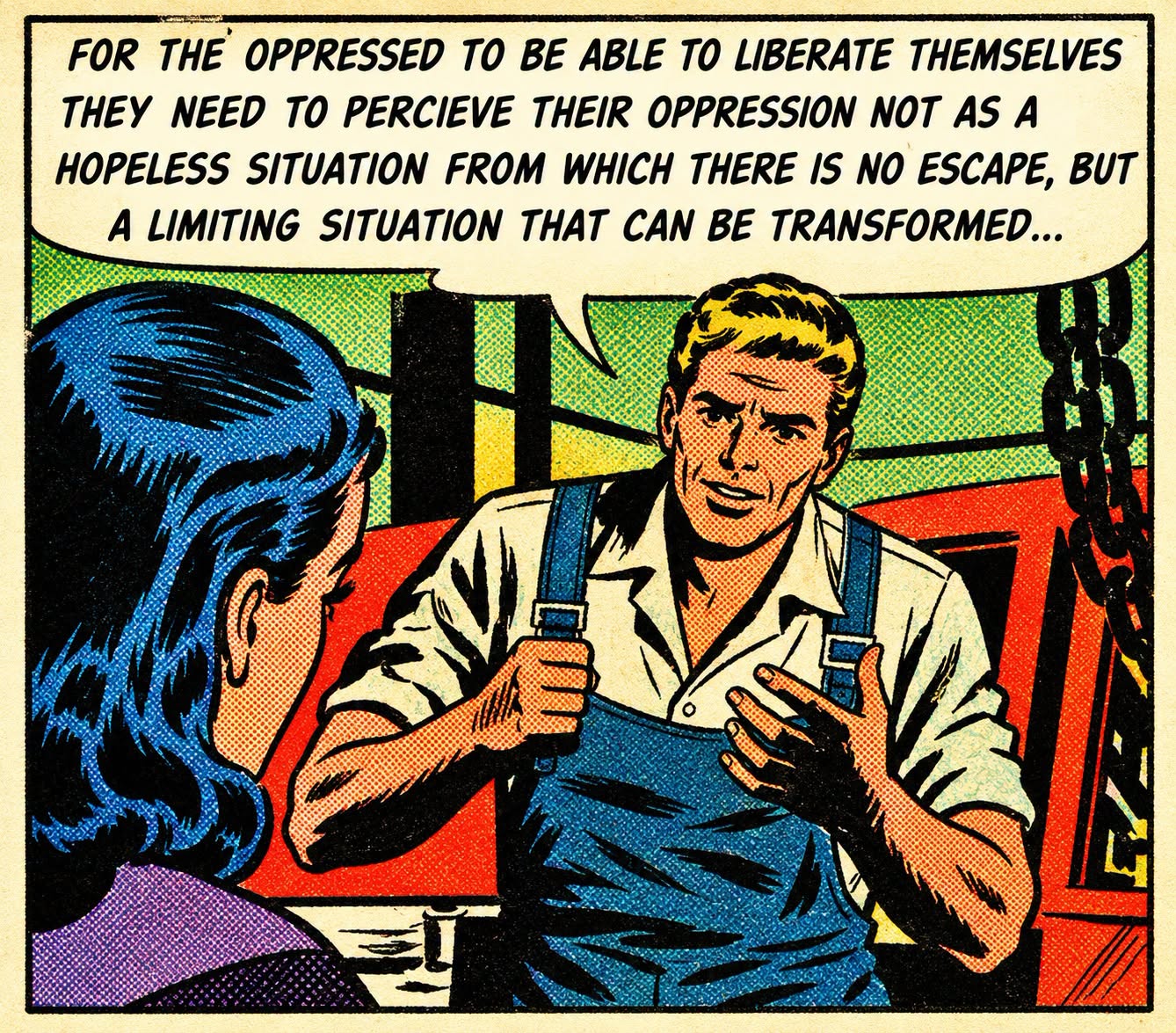
Its important to make the distinction explicit: community-based doesn’t mean simply having lots of people in the same network. It means building shared infrastructure, shared responsibility and collective power, rather than treating the network as a collection of individual accounts. One of the blindnesses of the current #openweb crew is the refusal to see the political differences underneath the overlapping technology.
- The #IndieWeb is strongly individualist: personal sites, personal publishing, personal ownership and individual control. It’s a good fit for capitalism.
- The #Fediverse has a different potential. It’s more community-based: shared spaces, collective moderation, mutual support, common infrastructure and the ability to organize around shared interests. People aren’t just individual users; they are participants in communities that have some collective responsibility for the spaces they inhabit.
Yet the #Fediverse often presents itself in individualist language to make #mainstreaming outreach easier. A useful white lie, perhaps, but one that hides its deeper possibilities.
They are both native #openweb paths, but they aren’t building the same thing. The #IndieWeb fits comfortably into the existing economic order. The grassroots potential of the #Fediverse offers a way to organize beyond it.
The blindness of today’s crew is wanting to talk about technology while avoiding the politics, culture and power underneath it. Community isn’t an audience or a collection of individual accounts, it’s people building and taking responsibility for something together.
We need to recover that understanding if we’re serious about rebuilding the #openweb. #OMN #4opens