
Improving support for plurals in localisations
Quick update re: localisation... according to Transifex, we began our translations over 12 years ago 😎 time flies!
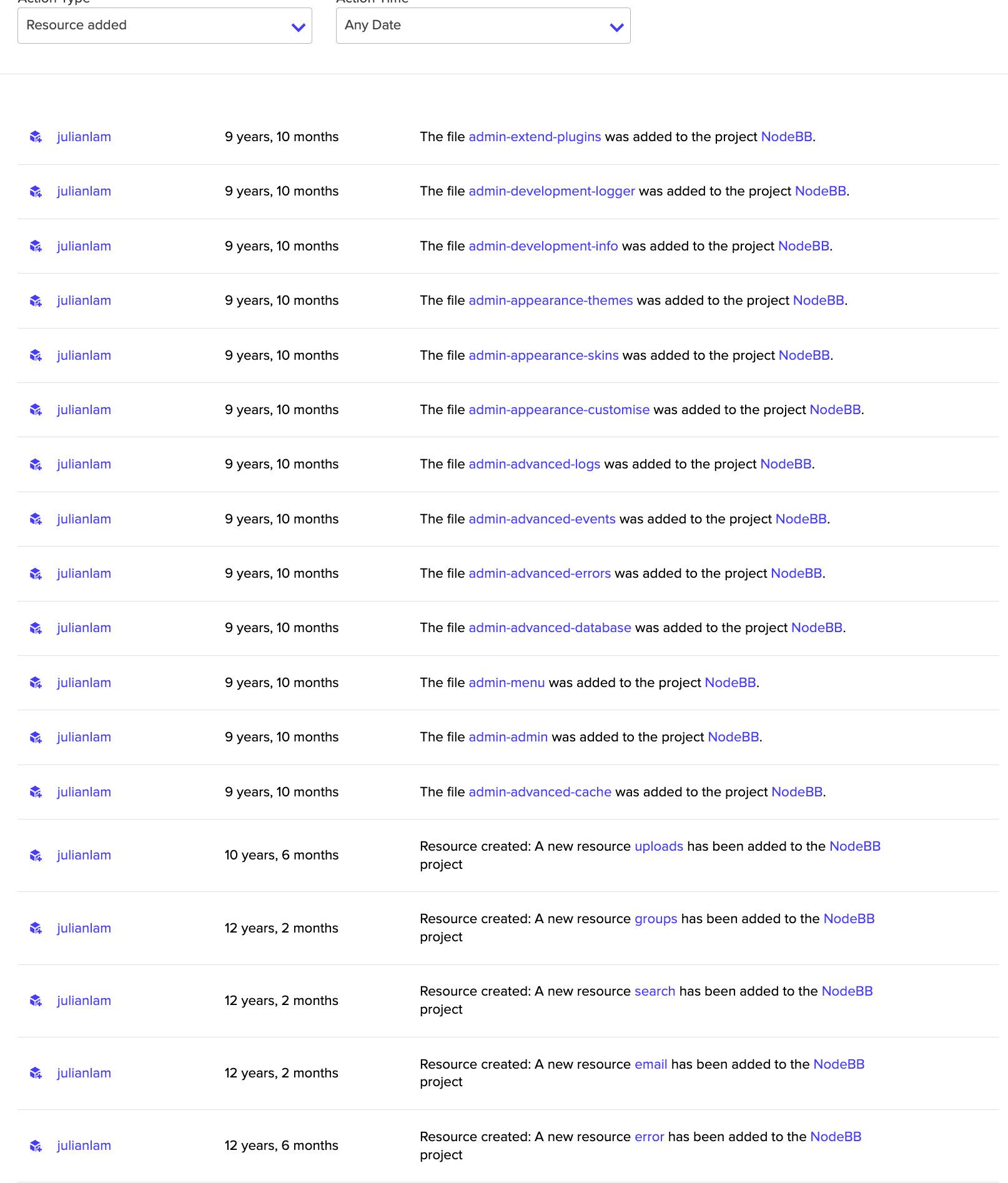
In that time, we've migrated maintained our translations through Transifex, which has been kind enough to offer us free hosting as NodeBB is an open-source project.
There has always been a bit of a problem with sentences with numbers in them — namely that they can either be singular ("A quick brown fox jumped...") or plural ("Three quick brown foxes jumped...")
tl;dr — NodeBB now supports localisations with proper plural forms directly in our Transifex project interface. No more (s) hacks at the end of words![150 more words]

Quick update re: localisation... according to Transifex, we began our translations over 12 years ago 😎 time flies!
In that time, we've migrated maintained our translations through Transifex, which has been kind enough to offer us free hosting as NodeBB is an open-source project.
There has always been a bit of a problem with sentences with numbers in them — namely that they can either be singular ("A quick brown fox jumped...") or plural ("Three quick brown foxes jumped...")
tl;dr — NodeBB now supports localisations with proper plural forms directly in our Transifex project interface. No more (s) hacks at the end of words!
This gets even more complicated because different languages have different sentence structures for countable items. While English is relatively simple (one, or "more"), Russian has different terms/handling for "one", "few", "many", and "other".
N.B. "other" is Transifex' term for a fallback/generic catch-all... maybe it means "more than many"?
Up 'til now we hacked around this by appending the string (s) to the end of singular forms:
You have %1 post(s) left to read.
There are 5 fox(es) in your henhouse.
Please stack these ten box(en) in the warehouse.
This was admittedly a stopgap measure, but we've made the changes to our translator library to properly handle the plural forms that Transifex supports. From the Transifex interface, these strings will look like this:
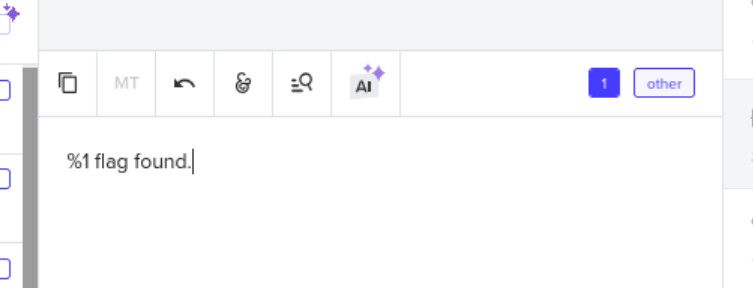
The "1" and "other" buttons at the top right will allow you to switch between forms, finally allowing you to construct plural forms for NodeBB strings.
Happy Translating!
Brian Regan-Stupid In School
YouTube

Improving support for plurals in localisations
For translators
This means that any converted strings have lost their existing translations. You will need to manually go in and translate them again (plus their plural variants), or rescue the existing translation from the history.
However, note that for plural strings, there is a new placeholder
{count}to be used in addition to the%1,%2, etc. that we already use. We use{count}for simplicity, but it could be named anything.