
Digital Detox Is Urgently Needed

Fighting #fashionistas with fashion. We have an app outline for that: iPhone or android.
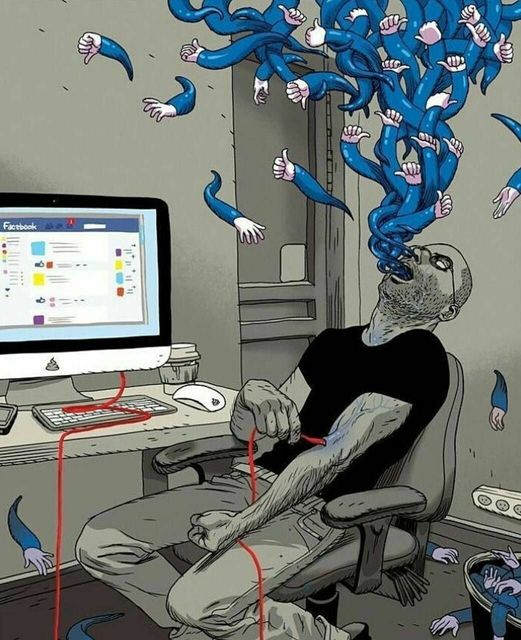
Not as a lifestyle tweak, not as wellness branding, not as another individual “better habits” story. These proposed apps and the wider projects have nothing to do with self-optimisation, productivity hacks, or personal purity. As the main streaming framing is already about defeat – that’s #stupidindividualism doing the work of the #dotcons for them.
What we’re facing in our digital mess isn’t only a failure of self-control, it’s a structural capture problem. The #dotcons platforms are designed to extract attention, shape behaviour, and enclose social space. You don’t fix that by telling isolated individuals to be stronger or more disciplined, you fix it by changing the infrastructure people live in.
That’s why this has to be collective infrastructure. Shared norms, shared limits, shared tools. Social agreements embedded in tech and process, not moral pressure dumped onto individuals. The goal is to change default behaviour at the group level, so isolated resistance isn’t exhausting and opting out doesn’t mean disappearing.
This is a native #OMN path, rebuilding the commons with tools that assume trust, reciprocity, transparency, and accountability from the start. We start with defaults that slow extraction, not accelerate it, processes that make manipulation visible and contestable, we grow mediation instead of opaque algorithms to be human-scale flows instead of infinite feeds.
We do need to keep highlighting, this isn’t self-control, it’s collective self-defence. Anything on the normal path is dressing up surrender as “wellness” that calls this choice, it is just more of the normal head down, worshipping the #deathcult.
The core idea for this app is #nothingnew: The buddy method. You don’t fight addiction alone, don’t detox alone, you don’t escape algorithmic capture alone, you do it with another human.
App 1: Digital Detox Buddy
A simple app that sits on top of existing child lock / screen time APIs. No dark magic, spyware, behavioural profiling – instead, simple – Just process, consent, and friction.
Defaults matter. Default allowance: 4 hours per day on #dotcons, when time runs out: You get a 10-minute grace extension button. Extending beyond this requires talking to your buddy
To permanently end limits: You must unbuddy (an explicit social action). This creates pause, reflection, conversation – the opposite of dopamine scroll loops.
Time reduction is gradual, a soft landing, not punishment. Start at 4 hours/day, reduce by 1 hour per week/month. People can stabilize or reverse with buddy agreement. This is about retraining habits, not moral purity.
What is counted in this default (and what is not)? Metered: Phone screen time (total) and time spent on #dotcons platforms. Were unmetered is: Web browsing, #FOSS apps, reading tools, local-first utilities, creative tools.
The framing is explicit: The problem is not only “screen time”, the problem is extractive platforms.
Privacy + accountability balance, Aggregated stats are public (community-level visibility, cultural pressure). Exact stats are buddy-only (trust-based accountability).
Public stats answer: Average phone use, average #dotcons use, detox participation trends. This is #DemocracyOfReach applied to behaviour change – cultural signal without surveillance.
Architecture: First version: client–server is OK, preferably designed for #p2p later.
Buddy relationship is explicit, revocable, symmetric, no central behavioural scoring, no advertising, no data resale, this is infrastructure, not a product.
App 2: Consumerism Detox Buddy
Same logic. Different addiction.
Consumerism Is also a platform problem, endless consumption isn’t “choice”. It’s nudging, targeting, and engineered impulse. This second app mirrors the first but focuses on shopping behaviour. It works by geolocation, identifying time spent in: shopping centres, large retail chains, branded consumption spaces. It can find the data on places like google maps.
Same buddy rules: time limits, soft extensions, explicit social negotiation. Local markets, repair, reuse, libraries, commons spaces are excluded or positively weighted.
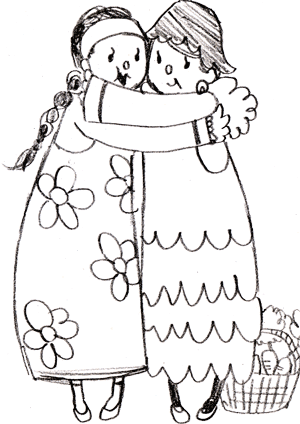
This is people to people anti-#deathcult economics grown in apps on your phone. This is why it belongs on the #OMN path, and why it is not about personal optimization, quantified-self nonsense, wellness capitalism, #NGO nudging, or behavioural surveillance.
What it is, is a clear path about collective governance of attention, with explicit social process, open defaults, visible culture change. Tools that support people talking to each other, not being silently managed.
The apps don’t “fix” people, they change the environment people live in. This is striving to mediate what matters now: digital addiction and consumerism aren’t side effects. They are core pillars of the #deathcult. If we can’t or won’t build ways to step out together, all we get is isolated “self-help” to often just another name for addiction.
These apps should move into a p2p, gentle, federated, human-scale refusal, not banning, shaming or preaching. Its #KISS “Let’s do less of this – together.” If we can build social media apps, we can build #dotcons exit apps. This is a #OMN native path.
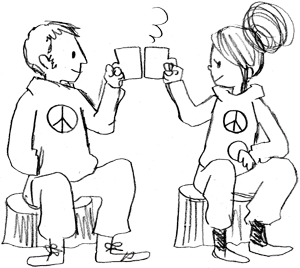
Before you ask, the second stage, step, is to socialize the first step, offline.
UPDATE: looking for a partner coder to implement this, as i am currently to busy to do anything but direction and speck work. This is a needed project.
TODO: Can apps access the child lock and screen time API on Android and Apple phones, are the hoops that cant be jumped through to use these. Can apps using these be published on the play/app stores?




Great idea.